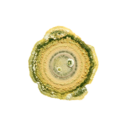
Fusarium spp. is a group of soil-borne fungi with many different species. Fusarium is widespread and can infect a range of host crops. Many species are considered weak pathogens and can only infect wo
General Sclerotinia sclerotiorum, also known as cottony soft root, is a plant pathogenic fungus. It has a very wide range of host plants. Damage symptoms The first symptoms of a cottony soft root ( Sc
General Fusarium is a group of soil-borne fungi with many different species. Fusarium is widespread and can infect a range of host crops. Many species are considered weak pathogens and can only infect
General Pythium is considered a ‘weak pathogen’, meaning that it can usually only affect plants that are in a sub-optimal condition or suffer from stress, caused for example by too much water, too hig
About Tobacco thrips Thrips parvispinus , also known as tobacco thrips, is an insect native to tropical Asia and is widely distributed from East Asia, Northern Australia, and the Solomon Islands. In r
Biological control of beetles Beetles can cause serious damage in many greenhouse and field crops by feeding on leaves, roots, or fruits, leading to reduced growth and yield loss. Effective beetle con
Biological control of bugs Bugs can cause extensive damage to greenhouse and field crops by feeding on plant tissues and fruits, leading to deformation, discoloration, and yield loss. Effective bug co
CeraSulfur is a biologically derived sulfur solution engineered for high performance in the control of powdery mildew in vineyards and vegetable crops. CeraSulfur can be used in all fungal protection
General The vine mealybug Planococcus ficus belongs to the family Pseudococcidae, and is also known by the names Mediterranean vine mealybug and Grapevine mealybug. As the name indicates, this mealybu