


Search for pest species
-
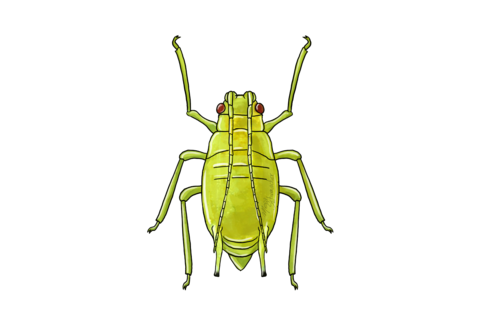
Aphids
HemipteraMore information about aphids -
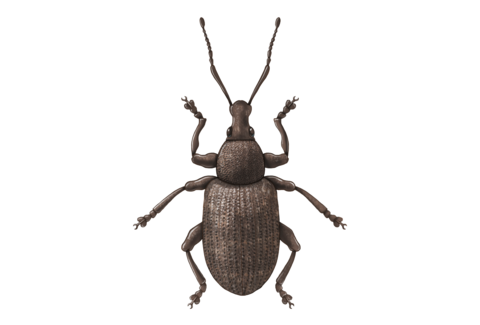
Beetles
ColeopteraMore information about beetles -
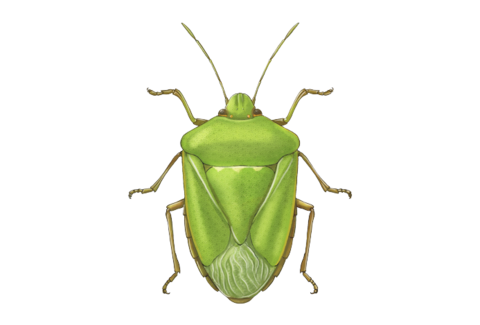
Bugs
HemipteraMore information about bugs -
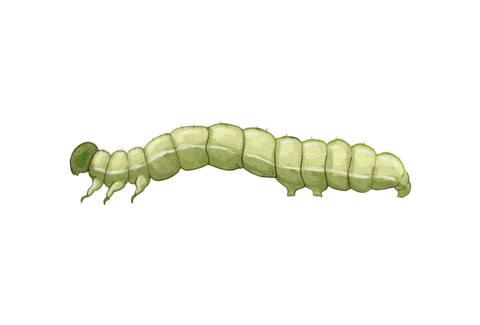
Caterpillars
LepidopteraMore information about caterpillars -
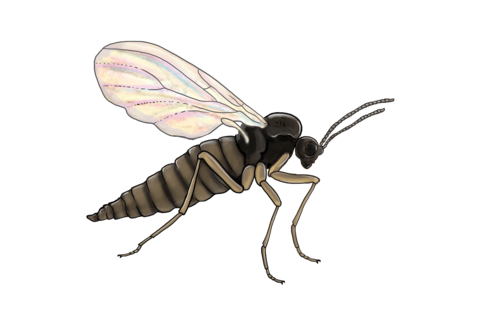
Flies
DipteraMore information about flies -
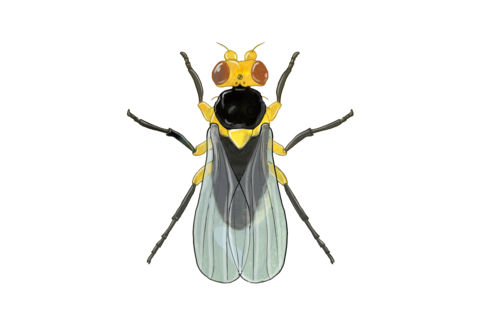
Leaf miners
DipteraMore information about leaf miners -
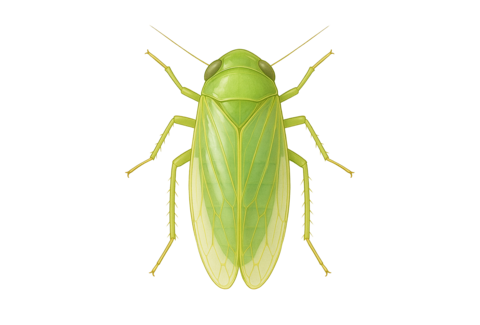
Leafhoppers
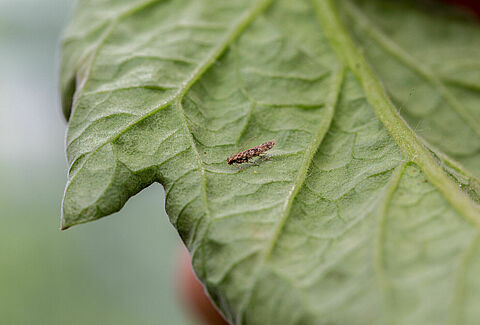
HemipteraMore information about leafhoppers -
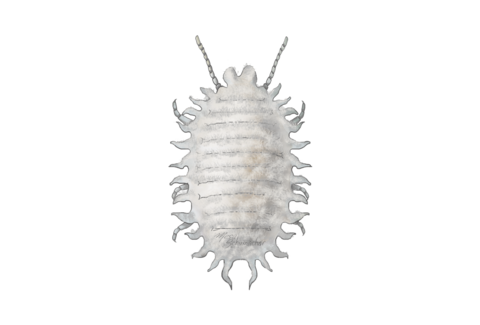
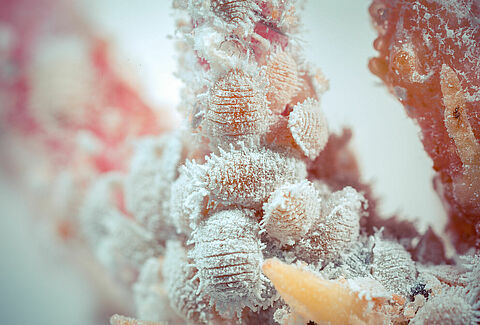
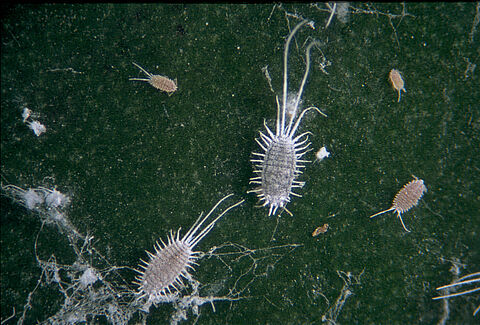
Mealybugs and scales
HemipteraMore information about mealybugs and scales -
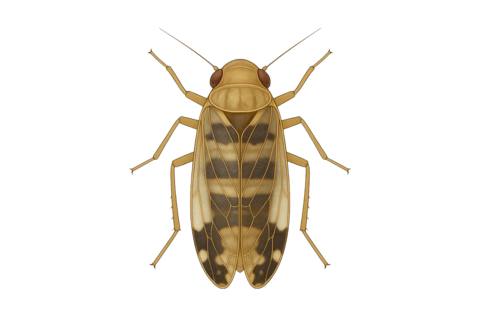
Psyllids
HemipteraMore information about psyllids -
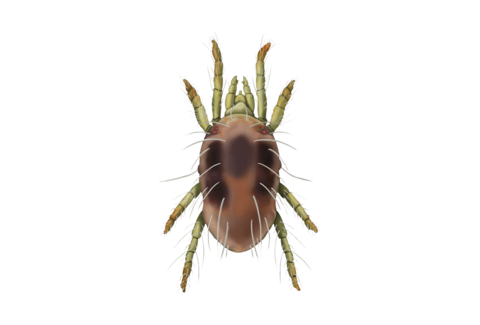
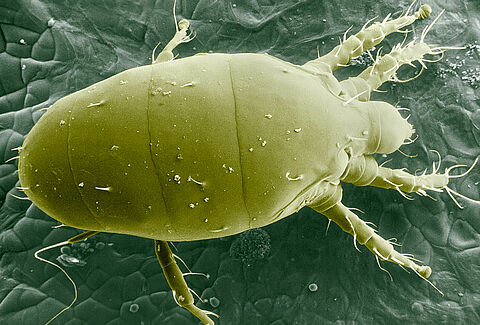
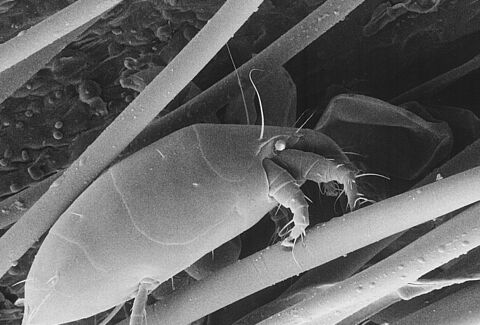
Spider mites and other mites
Trombidiformes -
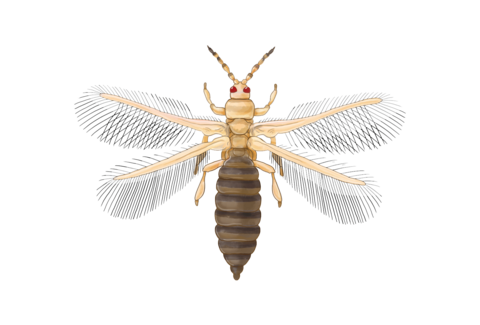
Thrips
Thysanoptera -
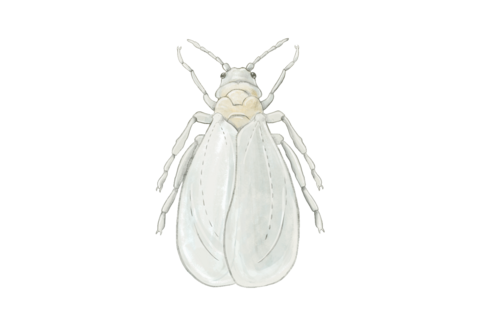
Whitefly
HemipteraMore information about whitefly
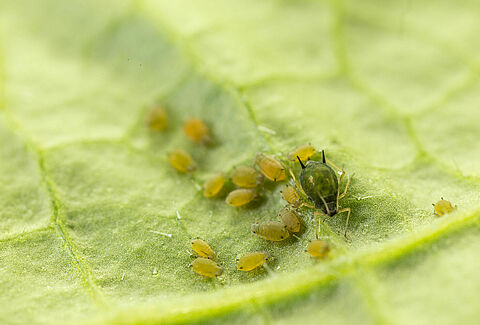
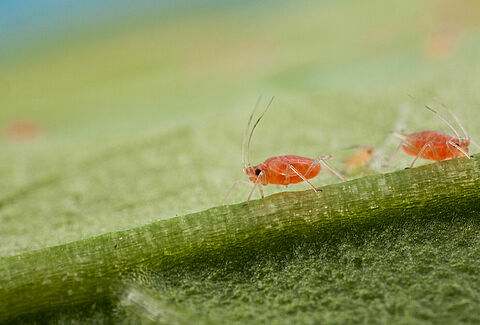
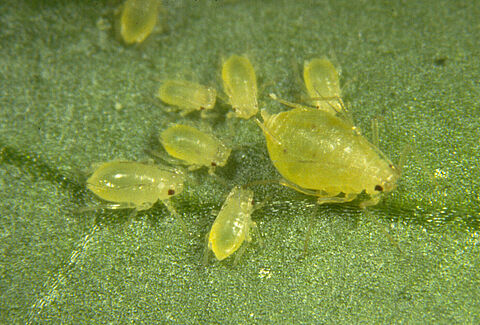
Solution Finder
The right solution for your crop
Questions or need help?
Contact usQuestions or need help?
Contact usThe latest news about pests
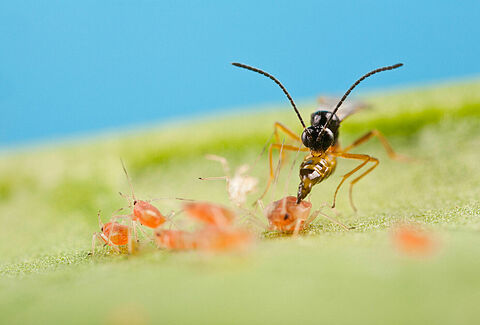
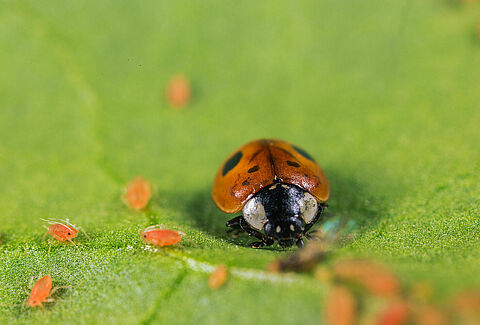

Common plant pests
-

Spider mites
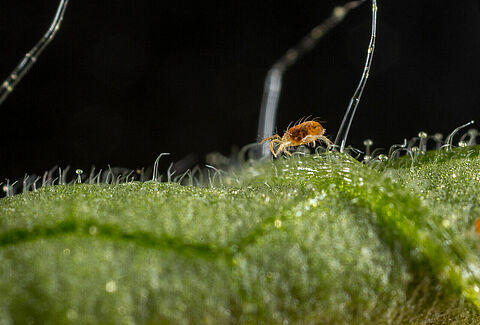
Spider mites are not actual insects but arachnids. They are extremely tiny and often go unnoticed until they cause severe damage to plants by sucking the cell contents. Learn more about spider mite damage and natural solutions to control them.
-
Паутинные клещи
Паутинные клещи - это не насекомые, а арахниды. Они очень маленькие и часто остаются незамеченными, пока не нанесут серьезный ущерб растениям, высасывая содержимое клеток. Узнайте больше о вреде паутинных клещей и естественных способах борьбы с ними.
-
Spint
Spint jest owadem, ale jednym z nich. Są one bardzo małe, a ich występowanie jest bardzo ograniczone, co powoduje, że mogą one zasiedlać inne rośliny. Lees meer over schade door spint en naturalurlijke oplossingen om spint te bestrijden.
-
Акаро-Аранья
Акаро-аранхи - это не насекомые, а арахниды. Они чрезвычайно малы и в большинстве случаев становятся отчаянными, вызывая тяжелые повреждения растений, что свидетельствует о наличии целлюлозы. Узнайте больше о вреде, причиняемом акаро-аранами, и о природных решениях для борьбы с ним.
-

Aphids
Aphids are tiny, pear-shaped insects that come in various colors such as green, black, or brown. They feed on the sap of plants using their piercing mouthparts, causing leaves to curl, wilt, and turn yellow. Aphids are known to reproduce rapidly, leading to infestations that can quickly spread.
-

Thrips
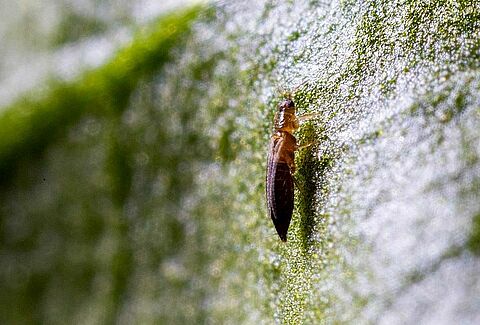
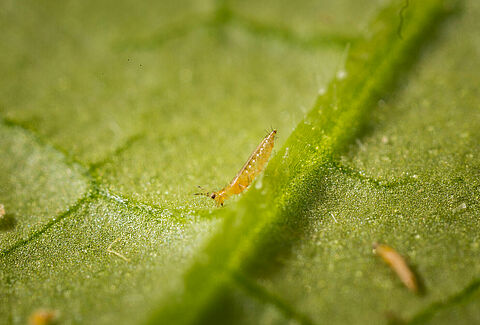
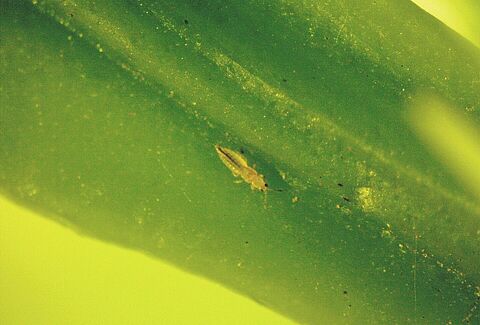
Thrips are slender insects with fringed wings and rasping mouthparts. They can cause extensive damage to plants by feeding on the sap and spreading viruses. Learn more about thrips damage and effective prevention and control strategies.
-

Whitefly
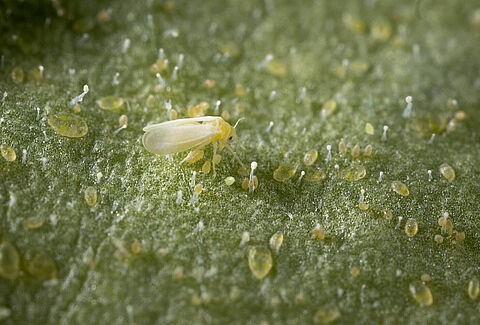
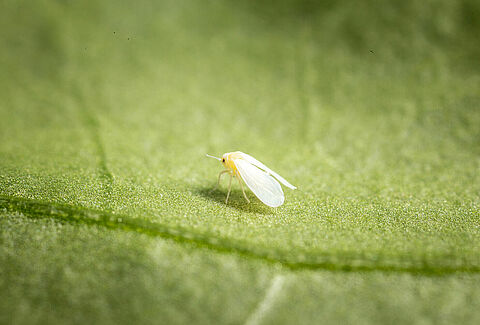
Whiteflies are small, flying insects that cluster on the undersides of leaves, sucking plant juices and causing wilting and yellowing of foliage. Learn more aboute whitefly damage, their development and natural solutions.
-

Caterpillars
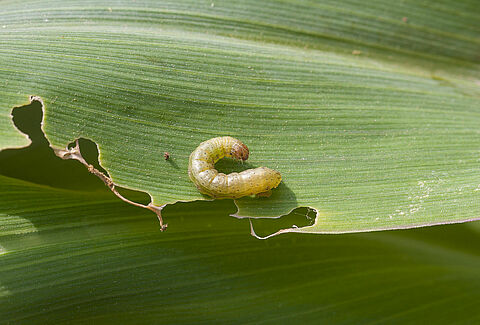
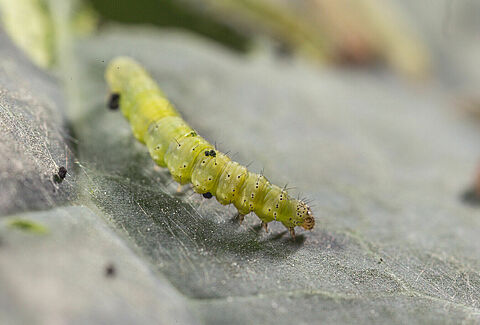
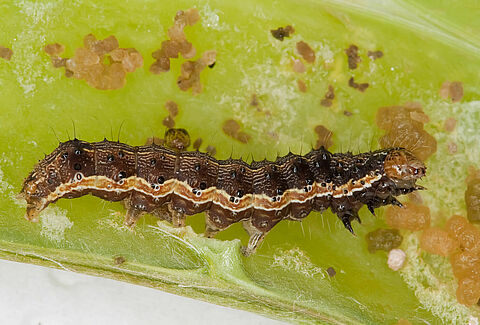
Caterpillars can cause serious economic damage. Most species feed on leaves and young shoots, and their enormous feeding capacity can rapidly destroy a plant. Recognize the damage symptoms caused by caterpillars, learn preventive measures, and explore effective control solutions for managing this pest.
-

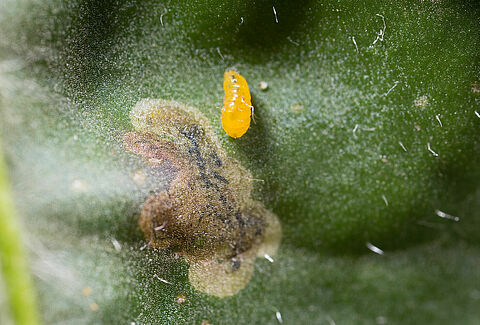
Leaf miners
Leaf miners cause damage to plants both directly and indirectly. The most direct damage is caused by the larvae mining the leaf tissue which can lead to depletion, premature leaf-fall and cosmetic damage. Learn to recognize leaf miners, prevent infestations, and discover natural solutions.
-

Beetles
Beetles harm crops by consuming leaves, fruits, and roots. Understanding their impact is crucial for balanced pest management. Learn about effective strategies and products to manage beetle infestations and ensure healthy plant growth.
-

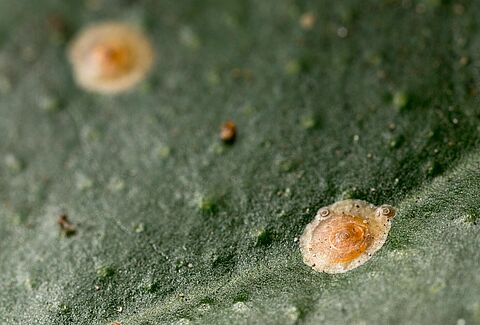
Mealybugs and scales
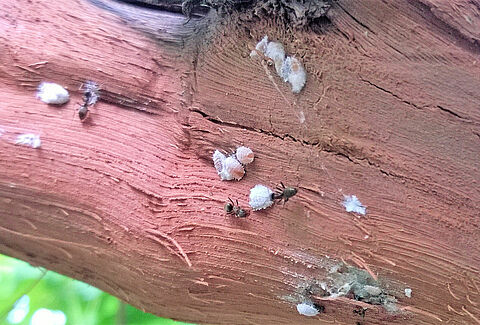
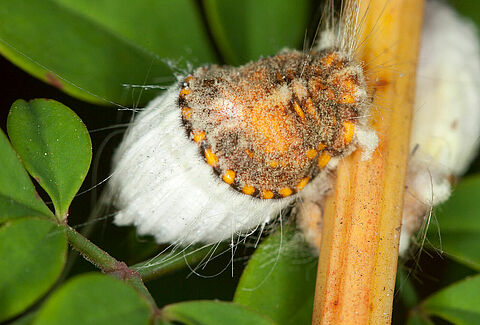
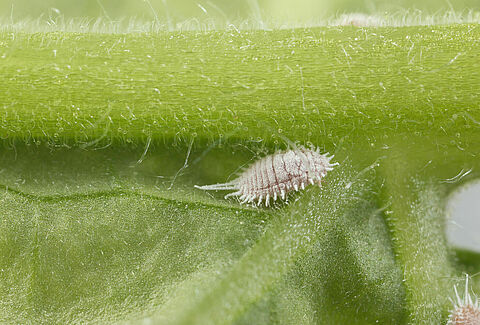
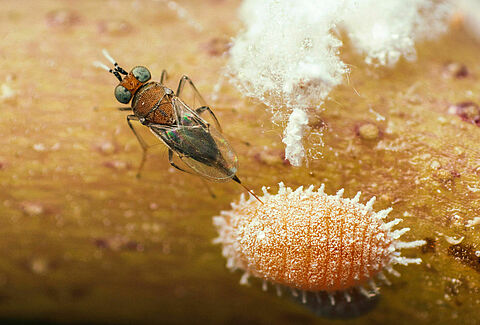
Although most species of mealybugs feed on the aerial parts of the plant, some species extract their nourishment from roots, whilst others are gall-formers. Identify the damage symptoms caused by mealybugs, learn preventive techniques, and discover effective control solutions for managing this pest.
-

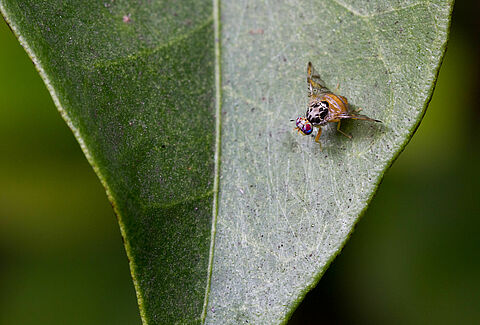
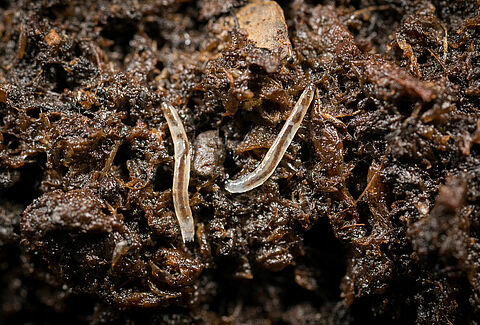
Flies
Flies can cause damage to crops both directly and indirectly. The type of damage depends on the species of the flies. Recognize fly damage symptoms and find control strategies for these pests.
-

Plant bugs
Phytophagous bugs damage plants by puncturing leaves and growing points with their piercing-sucking mouthparts and extracting nutrients from them, resulting in deformations and puncture holes. Learn preventive techniques, and discover effective control solutions for managing this pest.