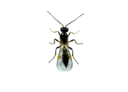
usually found on the underside of leaves. They have an oval body that is rounded at the rear end. Their colour can vary from orange, light yellow or light green
(if available) and in the crop. If the crop is low, make sure the traps hang at least one metre above the ground. In taller crops, the traps can be placed
Neoseiulus cucumeris , Transeius montdorensis ) in the beginning of the season and at low prey densities. Mode of action When density of the target pest is low
(4-6°C). Storage temperature Preferably in a freezer (-18°C), and always at temperatures below 4°C. Storage conditions Store in closed sachets.
according to tailored advice. Environmental conditions Efficacy is reduced at temperatures below 15°C/59°F and above 38°C/ 100°F. Side effects Pesticides
gap is getting smaller. In 15 years, I expect there will be no difference at all, especially due to the rapid increase in effective organic methods."
though citrus thrips is an important pest, it is unlikely to be on the fruit at harvest, so it’s not considered a quarantine risk on fresh fruit exports.
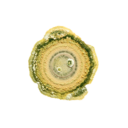
almost spherical with a flattened base and a diameter of about 0.5 mm. They are at first a shiny yellowish white, with their colour changing to brown just before
pupae and other soil-dwelling insects. The mites appear in and on the soil and at the base of plant stems. Feeding behaviour of Macrocheles robustulus Predatory
Applications with Trianum-P or Trianum-G should start as early as possible, at the moment of sowing or transplanting. For transplanted crops it is possible