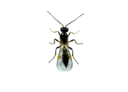
Pests Young larvae of various thrips species and eggs and larvae of whitefly . Crops Do not use in tomato. Mode of action Predatory mites pierce their
Panonychus ulmi ); citrus red mite ( Panonychus citri ); other spider mite species. Crops Do not use in tomato. Mode of action Predatory mites reproduce within
Pests Larvae of various species of thrips (first and second larval stages); eggs and larvae of greenhouse whitefly ( Trialeurodes vaporariorum ) and tobacco
Pests Young larvae of various thrips species. Crops Do not use in tomato. Mode of action Predatory mites pierce their prey with their sucking mouthparts
Pests Young larvae of various thrips species, eggs and larvae of whitefly . Also has an effect on all stages of non-webbing spider mites (e.g. European
greater diversity of feeding habits than any other mite family. There are species that feed on fungi, algae, plants, as well as insect and mite predators
Macrocheles robustulus is a species of predatory mite known for its role in biological pest control , particularly in agricultural and horticultural settings
Biostimulant for resilient growth Trichoderma harzianum T-22 is a species of beneficial fungus commonly used in agriculture and horticulture for its various
Is this a different Phytoseiulus species to the Spidex I am used to? No, it is exactly the same Phytoseiulus species as in de former Spidex Vital: Phytoseiulus
Amblyseius swirskii Use Swirski Ulti-Mite for: Young larvae of various thrips species Budmite Packaging: Each sachet with hook contains 250 predatory mites [...] Ulti-Mite for biological pest control of young larvae of various thrips species and bud mites. Use Swirski Ulti-Mite as a preventive method and when the