their orchards against pests – a living, natural solution for their fruit. Koppert has been producing nematodes for horticultural purposes since 1986 and they [...] moths and leafrollers at the time and switched to biocontrol to save my production,’ Michael remembers. ‘I was suffering from heavy pest pressure, and my
the agricultural landscape. As Lukas steers his hop farm towards organic production, setbacks have been inevitable. However, amidst the challenges, there
General Litchi moth ( Cryptophlebia peltastica ) is native to Southern Africa and also occurs on the Indian Ocean islands of Madagascar, Mauritius, Reunion and Seychelles. Litchi moth is polyphagous a
General The codling moth ( Cydia pomonella ) is a notorious, worldwide pest of apple and also occasionally of pear, quince, peach and other fruits. It is very common in Europe. Damage symptoms After i
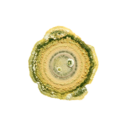
, causing internal damage. This can lead to the insect's death. Spore production: As the insect succumbs to the fungal infection, the fungus continues
General The western flower thrips (Frankliniella occidentalis) is currently the most damaging thrips species in many greenhouse crops. The western flower thrips (Frankliniella occidentalis) can be fou
General The Mediterranean fruit fly ( Ceratitis capitata ) is widespread in Africa, the Mediterranean basin and South America. Ceratitis capitata is a highly polyphagous species whose larvae develop i
General The diamond back moth (Plutella xylostella) belongs to the family of Plutellidae . It only attacks Brassicaceae species, including cruciferous weeds. The diamond back moth (Plutella xylostella
General Aspidiotus nerii , the oleander scale or white scale belongs to the Coccoidea and has an almost worldwide distribution. Host plants include olive, apple, mango, palms, oleander and citrus. Dam