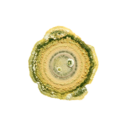
Fusarium spp. is a group of soil-borne fungi with many different species. Fusarium is widespread and can infect a range of host crops. Many species are considered weak pathogens and can only infect wo
About Tobacco thrips Thrips parvispinus , also known as tobacco thrips, is an insect native to tropical Asia and is widely distributed from East Asia, Northern Australia, and the Solomon Islands. In r
General The tobacco aphid ( Myzus persicae subsp. nicotianae ) probably evolved from the peach potato aphid in the Far East and is a key pest of tobacco crops in both the United States and South Ameri
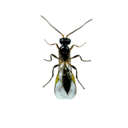
Scale control with the parasitic wasp Aphytis melinus Aphytis melinus is a species of parasitic wasp belonging to the family Aphelinidae . This tiny wasp is widely recognized for its role in the biolo
The predatory mite Neoseiulus californicus (previously Amblyseius californicus) is commonly used for biological pest control of spider mites . Although Neoseiulus californicus prefers spider mites it
What are predatory mites? Predatory mites are beneficial arthropods used in pest control to manage and reduce populations of harmful pests in various agricultural and horticultural settings. These tin
Young larvae of various thrips species, eggs and larvae of whitefly . Also has an effect on all stages of non-webbing spider mites (e.g. European red mite, Panonychus ulmi ) and rust mites. Crops Do n
Predatory bugs Predatory bugs are beneficial insects crucial for natural pest control in agriculture. Equipped with piercing mouthparts, they actively hunt and feed on various harmful pests, helping t
Cucumber grower Kees Hendriks (Qcumber) explains how his plant protection strategy has moved from integrated to ‘almost’ biological, using fewer and fewer chemicals. He has been using Trianum for the
Use Nutari as an alternative source of food for build-up and maintenance of generalist predatory mite populations ( Amblyseius swirskii , Amblyseius andersoni, Amblydromalus limonicus , Neoseiulus cal