followed our protocols for a range of products, from biofungicides to natural enemies. And at each stage of the crop’s development, growers had the opportunity
the pest's life cycle and helps in reducing overall pest numbers. As a natural enemy of various pests, Transeius montdorensis plays a significant role in
solution in integrated pest management (IPM) strategies, where it acts as a natural enemy to help control thrips populations. Neoseiulus cucumeris for pest control
for its role in biological pest control . Amblydromalus limonicus is a natural enemy of various pests like thrips and whitefly . These predatory mites are
predatory mite Phytoseiulus persimilis is by far the most important natural enemy of Two-spotted spider mite (Tetranychus urticae) and has been used in
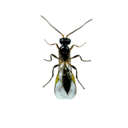
Could Rhyzobug be combined with other products? Yes, with all other natural enemies. The combination with Aphytis, a parasitic wasp to control armoured
productive crops. Biological control of aphids uses a combination of natural enemies that attack aphids in different ways: Parasitic wasps Predatory gall