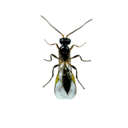
The predatory mite Neoseiulus californicus (previously Amblyseius californicus) is commonly used for biological pest control of spider mites . Although Neoseiulus californicus prefers spider mites it
Macrocheles robustulus is a species of predatory mite known for its role in biological pest control , particularly in agricultural and horticultural settings. Macrocheles robustulus is also a soil-dwe
Amblyseius swirskii is a species of predatory mite widely employed for biological pest control in agriculture. The predatory mite is an excellent biocontrol agent of thrips and whiteflies. Amblyseius
About Maize or corn ( Zea mays subsp. mays ), is a large grain plant that divided in six main types: flint corn, dent corn, popcorn, pod corn, sweet corn and flour corn. Already about 10,000 years ago
About Apricot is the name of a fruit or the tree that produces this particular fruit. There are various species that belong to the genus Prunus (stone fruit). A regular apricot tree pertains to the sp
About The almond ( Prunus dulcis, syn. Prunus amygdalus ) is a tree species originating in the Middle East as well as in North Africa and the Indian subcontinent. The name also refers to the tree’s ed
About The blackberry is an edible fruit that originates from a wide range of species belonging to the genus Rubus that is part of the family of Rosaceae , but also from hybrids within the Rubus subgen
About The banana ( Musa spp.) is a nutritious fruit that grows from various large, herbaceaous flowering plants belonging to the genus Musa . Botanically speaking the fruit is a berry and it varies in
About The apple tree (often named Malus domestica by mistake) is best known for the apple, the tree’s usually sweet and pomaceous fruit. Apples originate from Asia and Europe and were grown there for
About Eggplant or aubergine ( Solanum melongena ) is a specific species of nightshade and is widely produced for its tasty fruit. In North America and Australia the fruit is called eggplant and in Sou