solution in integrated pest management (IPM) strategies, where it acts as a natural enemy to help control thrips populations. Neoseiulus cucumeris for pest
for its role in biological pest control . Amblydromalus limonicus is a natural enemy of various pests like thrips and whitefly . These predatory mites
their greenhouses. Additionally, the dashboard lists how pests and their natural enemies develop in relation to one another. The dashboard also integrates
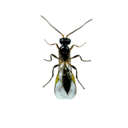
healthy, productive crops. Biological control of aphids uses a combination of natural enemies that attack aphids in different ways: Parasitic wasps Predatory
The predatory mite Phytoseiulus persimilis is by far the most important natural enemy of Two-spotted spider mite (Tetranychus urticae) and has been used
About The Prunus avium , usually referred to as wild cherry, sweet cherry, or gean, is a species of cherry and a flowering plant that belong to the rose family of Rosaceae . Cherries are indigenous to
for its customers. Getting beneficials, bumblebees, and microbials – all natural products – delivered to customers alive and kicking is not exactly the easiest
decade of helping farmers on the sunny tip of Africa become Partners with Nature. After visiting South Africa for the first time in 1995, the country and
General The tobacco whitefly ( Bemisia tabaci ) belongs to the family Aleyrodidae , and the sub-family Aleyrodinae . This insect was first identified on tobacco in Greece in 1889, hence the name tabac
crops. Biological control of spider mites and other mites uses a range of natural enemies that target different developmental stages of the pest: Predatory