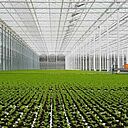
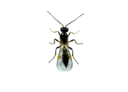
Biological control of beetles Beetles can cause serious damage in many greenhouse and field crops by feeding on leaves, roots, or fruits, leading to reduced growth and yield loss. Effective beetle con
General The diamond back moth (Plutella xylostella) belongs to the family of Plutellidae . It only attacks Brassicaceae species, including cruciferous weeds. The diamond back moth (Plutella xylostella
Biological control of thrips Thrips are among the most challenging pests in greenhouse and field crops. Their feeding and virus transmission cause leaf deformation, silvering and fruit damage, leading
General The green peach aphid ( Myzus persicae subsp. persicae ) is an important insect pest in sweet pepper, tomato, cucumber and many other greenhouse crops. The aphid may originate from Asia, where
incompatible insecticide application Interval Apply at flower development Ask your Koppert Technician regarding scheduling and integration into an IPM Remarks
Biological control of caterpillars Caterpillars are highly destructive pests that feed on leaves, stems and fruits, causing serious damage to greenhouse and field crops. Their feeding reduces photosyn
General The broad mite (Polyphagotarsonemus latus) occurs in the tropics and in greenhouses in temperate regions. The broad mite (Polyphagotarsonemus latus) has a wide range of host plants, especially
Biological control of whitefly Whiteflies are common pests in greenhouse and field crops, feeding on plant sap and transmitting harmful viruses. Their feeding weakens plants, causes leaf yellowing and
Biological control of leafhoppers Leafhoppers are highly mobile, sap-sucking pests that feed on plant leaves, causing discoloration, stippling and leaf curling. Their feeding reduces photosynthesis, w
Biological control of mealybugs and scales Mealybugs and scale insects are persistent pests that feed on plant sap, weakening crops and producing honeydew that leads to sooty mould. Infestations reduc