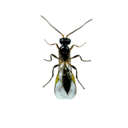
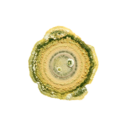
General information Red scale or California red scale (Aonidiella aurantii) belongs to the Diaspididae family and is a pest found worldwide, mainly in citrus, but also in fig, cotton, mango, banana, a
General The tobacco whitefly ( Bemisia tabaci ) belongs to the family Aleyrodidae , and the sub-family Aleyrodinae . This insect was first identified on tobacco in Greece in 1889, hence the name tabac
General The macadamia nut borer ( Thaumatotibia batrachopa ) is native to Africa and was originally described from the Eastern Cape province in South Africa. Macadamia is the major host of this moth,
is based on the Trichoderma harzianum fungus. ‘This product is highly effective on soil diseases. We’re also developing new fungi to help tackle soil diseases [...] approaches work. ‘Farmers can see for themselves that they are better and more effective. They work properly and result in healthier and more resilient crops, which
General Aspidiotus nerii , the oleander scale or white scale belongs to the Coccoidea and has an almost worldwide distribution. Host plants include olive, apple, mango, palms, oleander and citrus. Dam
General Two-spotted spider mite ( Tetranychus urticae ) is a pest of many crops throughout the world. Despite their small size, they are capable of very rapidly doing severe damage, due to their great
General The greenhouse whitefly ( Trialeurodes vaporariorum ) is one of the major pests of vegetable and ornamental crops in greenhouses throughout the world. The greenhouse whitefly ( Trialeurodes va
General The green peach aphid ( Myzus persicae subsp. persicae ) is an important insect pest in sweet pepper, tomato, cucumber and many other greenhouse crops. The aphid may originate from Asia, where
About The avocado ( Persea americana ), also named ‘alligator pear’ is a tree originating in South Central Mexico. Its nick name points to its fruit which is botanically speaking a large berry with on
General The cotton bollworm ( Helicoverpa armigera ) occurs in the tropics and sub-tropics of all continents except for North America. Larvae of the cotton bollworm ( Helicoverpa armigera ) are highly