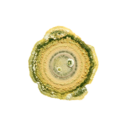
absence of plants. Many species are entirely saprophytic, so these do not harm plants. How to prevent Damping-off Use resistant cultivars or graft on tolerant
pests in greenhouse and field crops, feeding on plant sap and transmitting harmful viruses. Their feeding weakens plants, causes leaf yellowing and leads to
commonly in greenhouses throughout the world. Although they generally do little harm to healthy plants, sciarid flies are particularly problematic in cuttings
applied both in greenhouses and in outdoor crops to control a wide range of harmful scale insects. Product Manager Jenette Douma: ‘Our colleagues at Koppert
General The cyclamen mite ( Phytonemus pallidus ) is a harmful strawberry pest as well as a common pest found in cyclamen, gerbera and other ornamentals
roots, whilst others are gall-formers. A few species can also transmit harmful viruses. Mealybugs inflict damage on the crop in various ways: Nymphs and
Biological pest control minimizes the use of harmful chemicals and promotes sustainable agricultural practices that can be implemented in open field crops
organisms Unlike chemical pesticides, biological disease control methods do not harm beneficial insects, ensuring a thriving ecosystem that promotes natural pest
large amounts of plant tissue. Many species cause damage to crops. The most harmful caterpillars that occur in greenhouses belong to the Noctuidae (the noctuid