result of larvae feeding on root hairs and tender roots as well as stem and leaf tissue and fruits. The lesions caused by feeding larvae provide invasion
in greenhouse and field crops. Their feeding and virus transmission cause leaf deformation, silvering and fruit damage, leading to reduced yield and ma
however, can also feed on root hairs, rootlets, and tender root, stem and leaf tissue. Later instars may even feed on plant stems. The injuries caused by
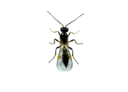
many ornamental crops. Western Flower Thrips Frankliniella occidentalis on a leaf Life cycle and appearance of Western flower thrips The western flower thrips
underside of leaves. This causes a window effect where the epidermis of the upper leaf surface remains undamaged. Young caterpillars are often found in groups,
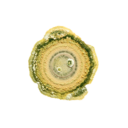
Fusarium spp. Fusarium fungi cause vascular wilt, root rot, foot and stem rot, leaf lesions, fruit rot, head blight in cereals, and post-harvest decay. Fusarium
before Post-harvest (prebloom nut drop season) Macadamia leaf mineral analyses . Macadamia CHO leaf sample. The analysis results indicate that the level [...] stages, which our blueberry specialists can use in conjunction with leaf samples (mineral analysis) to make recommendations to optimise plant growth, performance [...] Macadamias Post Harvest (Pre-Season) 816 Leaf N P K Riaan Brummer Marko Sukkels Ca Min. Optimum Level Actual Leaf Analysis CHO Index 1.4 Client: 1
fertilize. The female second instar nymphs, on the other hand, settle on the leaf and begin to secrete wax, moulting to a third instar and then the adult female
brown patches to appear on leaves and fruit. This can eventually kill the leaf. Life cycle of mealybugs & scales Mealybug & scale control videos Take a
which affects the entire population, often causing aphids to drop from the leaf and fall to the ground. Although many aphids die as a result, many will survive