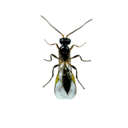
moth. The moths are weak fliers and can disperse, on average, only 13 to 35 m within a crop field, however, they are readily carried by the wind and as such
of infestation appear. Introduction rates typically range from 0.1-0.5 per m 2 /release. Releases should be repeated at least 3 times at an interval of
are detected in the crop. Introduction rates typically range from 0.5-10 per m2/release. Releases should be repeated once or twice. Consult a Koppert advisor
Biopar Aphipar Biopar Aphytis En-Strip Citripar Miglyphus Aphipar Aphipar-M Aphilin Success stories The journey of sustainable citrus farming in agriculture
2 2. Application Why does it have a different colour than the Spidex I’m used to? During production of Spidex Vital the predatory mites don`t get to
after planting of the crop. Introduction rates typically range from 1-10 per m 2 /release. Releases should be repeated until control is achieved. At increasing
after planting of the crop. Introduction rates typically range from 0.25-4 per m 2 /release. Releases should be repeated at least 3 times. Consult a Koppert
are detected in the crop. Introduction rates typically range from 1-10 per m 2 /release. Releases should be repeated at weekly intervals until control is
90-90 185 25-9. Bælum, J., Enkegaard, A., Doekes, G., Skov, P. S., Kjærstad, M. B., & Sigsgaard, T. (2007). Health effects of predatory beneficial mites and
are visible in the crop. Introduction rates typically range from 0.25-3 per m 2 /release. Releases should be repeated at least 3 times at weekly intervals