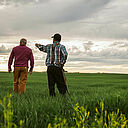
allows consultants, such as Wim van der Meer from Koppert, to compare current scout sessions with previous ones. ''This facilitates the rapid identification [...] for good at Scheurs in De Kwakel since they switched to Natutec Scout . Koppert's crop scout app even ensures that less chemical pesticides are used at
Mangifera indica , found its way to the rest of the world and it has become one of the largest cultivated products in the tropics. Mango trees grow up to
additional recommendations and rates, contact your local Koppert representative or distributor Dosage One Rollertrap per 1 to 3 plant rows. Timing In high crops
and colour. The main colours are white, yellow, orange , red and pink, but one flower can have petals in varying colours. In addition, the gerbera is also
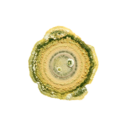
What is apple scab? Apple scab is one of the most economically important fungal diseases of apple worldwide. Caused by the fungus Venturia inaequalis [...] Preventive disease management is essential for reducing apple scab pressure. Koppert supports sustainable orchard management with beneficial microorganisms that
prevent damage or breakage of their tender stems. The pepper plant has become one of the most widely cultivated crop worldwide. The development of greenhouse
regarded as the most important ancestor of today’s cultivated cherry and it is one of two cherry varieties most of the current commercial, edible cherry cultivars
quality Introducing a new design for Koppert products After introducing our new brand identity in January 2022, Koppert is entering the next phase. We proudly [...] own premium look-and-feel, but at the same time remain recognisable as a Koppert product. Over the coming year, we will redesign our complete product portfolio [...] the product webpage for more information. Ready for the future Our new Koppert branding is rooted in nature and matches our ambition. Our mission is to
use one Horiver Wetstick per 200 m 2 For trapping in hotspots use one Horiver Wetstick per 2 to 20 m 2 For trapping Tuta absoluta use at least one Horiver [...] 10 pieces 20x25 cm: 22 pieces 25x40 cm: 12 pieces Outer cards with glue at one side only Application Place traps in areas with high risk of pest infestation
with the ability to extend up to 20 inches a week, and even 50 ft tall in one season. They are typically trained on strings up to 25 ft tall. The hop is