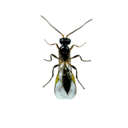
on the density of the whitefly population, making it a valuable tool in integrated pest management . The wasps themselves do not feed on whiteflies but rely
these pests makes it an invaluable tool in sustainable agriculture and integrated pest management programs. Diglyphus isaea is used for the control of the
enemy of various pests, Transeius montdorensis plays a significant role in integrated pest management (IPM) strategies. Transeius montdorensis for pest control
first instar thrips larvae. Neoseiulus cucumeris is a valuable solution in integrated pest management (IPM) strategies, where it acts as a natural enemy to
before the pest appears. These predatory mites are employed as part of integrated pest management (IPM) strategies, offering a sustainable and environmentally
like thrips and whitefly . These predatory mites are employed as part of integrated pest management (IPM) strategies, offering a sustainable and environmentally
mealybugs at all developmental stages. The fact that these solutions can be integrated into an IPM system and combined with conventional solutions is very good
pests and are considered beneficial for agriculture, horticulture, and integrated pest management programs. Some of the well-known beneficial nematode species
About The so-called garden strawberry or Fragaria x ananassa , is nowadays extensively cultivated for its tasty fruit. The particular species of strawberry is a well-known hybrid species of the genus
The How and Why of IPM Integrated Pest Management (IPM) is a term we see everywhere today. But what does it mean, exactly? And how do you apply this method