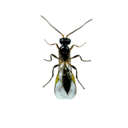
Orius laevigatus is used for the control of the following pests: Thrips The natural enemy Orius laevigatus is available at Koppert as Thripor-L . How to use
possible to introduce the beneficial at every relevant moment. Origin and natural distribution Trissolcus basalis is the most widespread egg parasitoid of
his crop is thrips , especially during the darkest period of the year. ‘Nature basically shuts down at that point. Everything’s just ticking over. Those
will gradually disappear. I believe that the agricultural sector has a natural interest in such solutions, but ignorance and a lack of alternative options
various agricultural and horticultural settings. These tiny arthropods are natural enemies of many plant-feeding mites and insects like spider mites , whitefly [...] Over the years, we have further specialized in producing a big range of natural enemies and have several patents to our name. Our stability in breeding
wasp, native to temperate and subtropical regions, has become an important natural enemy for farmers and gardeners aiming to reduce the reliance on chemical
Green peach aphid ( Myzus persicae) Tobacco aphid ( Myzus nicotianae ) The natural enemy Aphidius colemani is available at Koppert as Aphipar . Aphidius colemani
cats, pollen, and dust mites, it is also possible to be allergic to the natural substances in predatory mites , feeder mites, and supplementary feeding
effective against these pests. The company therefore sprays a product of natural origin, such as Mycotal, twice a year, in the spring and in the autumn.
the pest's life cycle and helps in reducing overall pest numbers. As a natural enemy of various pests, Transeius montdorensis plays a significant role