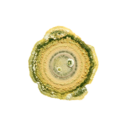
hybrid between a pomelo ( C. maxima ) and an orange ( C. sinensis ) and comes in many varieties. The most popular varieties today are the blood-red, pink and
with a stem that has sharp thorns. The flowers of the rose plant can vary in shape and size, but are often ornate and bright coloured. Colours range from
and the majority of the different species derive from East Asia. Especially in China a wide range of varieties and cultivars has been developed for commercial
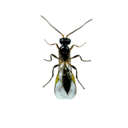
Application Release parasitic wasps between the leaves of the crop in the morning or in the evening Dosage The dosage of Miglyphus depends on climate, crop [...] parasitic wasps of Diglyphus isaea kill second and third instar leaf miner larvae in the mine and lay their eggs next to them. The eggs develop into parasitic [...] This is known as host feeding. Visual effect The presence of Diglyphus isaea in the crop is signalled by short mines that contain dead leaf miner larvae.
on clean rock wool slabs, leaves and/or in application boxes (Dibox) Apply in groups of at least 50 insects in order to establish a population and encourage [...] Pests Various species of thrips . Crops Do not use in tomato. Mode of action Adults and nymphs pierce thrips larvae and adults with their sucking mouthparts [...] particular situation. Start introduction as soon as the first thrips are detected in the crop. Introduction rates typically range from 0.5-10 per m 2 /release
Benefits of crop scouting One of the key benefits of crop scouting is its ability to enable early detection and targeted intervention. By identifying problems at their initial stages, growers can impl
fiber. Application Open the bottle in the greenhouse Place the bottle directly on the soil or rockwool slabs or hang it in-between the plants Do not scatter [...] Mode of action Adult gall midges emerge from the pupae and deposit their eggs in the aphid colonies. After emerging from the eggs the larvae consume the aphids [...] particular situation. Start introduction as soon as the first aphids are detected in the crop. Introduction rates typically range from 1-10 per m2/release. Releases
About The apple tree (often named Malus domestica by mistake) is best known for the apple, the tree’s usually sweet and pomaceous fruit. Apples originate from Asia and Europe and were grown there for
challenges are already out there: in nature itself. At Koppert, we explore, understand, and apply these natural solutions in partnership with nature. Using
trap in the appropriate place. How to install the trap: Prepare the desired number of pheromone traps. Hang the traps about 10 cm above the crop in a location [...] When to use Sticky plates? Use sticky plates in combination with a Delta Trap and species-specific sex pheromone to capture butterflies and moths or male [...] essential part of a Delta Trap for the detection of many species of flying pests in greenhouses. Sticky plates capture pests once attracted by species-specific