Amygdalus . This particular subgenus distinguishes itself from others because of ridges on the shell that surrounds the seed.
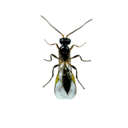
providing an eco-friendly alternative to chemical pesticides. Well-known examples of beneficial microbes are the fungi Akanthomyces muscarius , Beauveria bassiana [...] which can be released into the environment to infect other pests. Advantages of microorganisms in agriculture No harmful residue Unlike chemical pesticides
About Lilium is a genus of herbaceous flowering plants. Most lily species originate from temperate regions in the northern hemisphere, but they also grow
pear or (large) egg. The avocado tree belongs to the flowering plant family of Lauraceae . Commercially speaking, avocados are very valuable and the fruit
About Olea europaea is the botanical name of the olive. It is a small tree species in the family Oleaceae. The olive tree is an evergreen tree or shrub
About The gooseberry is belongs to the species of Ribes . The plant originates from Europe, Northwestern Africa, and West, South and Southeast Asia. The
Daucus carota subsp. sativus ) is a root vegetable and comes in a variety of colours, ranging from the regular orange to black and purple, but also red
potassium salt of silicic acid. This is a highly One of the most efficient ways of applying silica to plants is in the form of soluble form of silicon which [...] and fruit quality. Start of harvest. Two weeks after the start of harvest. Four weeks after the start of harvest. End of harvest. Figure 4: Sugar levels [...] product of photosynthesis, the process where the leaves of trees produce soluble sugar in the form of sucrose (sugars) and starch. Within the context of ca
purple or brown when ripe. Bananas grow in bunches downwards from the top of the plant. Nowadays, almost all edible, seedless (parthenocarpic) bananas