in the crop. Introduction rates in outdoor crops typically range from 500-3,000 per ha/release. Releases should be repeated until control is achieved.
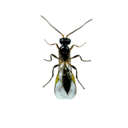
black ocellus on the hind part. The hindwings are brown. The eggs are about 1.3 x 1.0 mm, and whitish opalescent when laid. Later, the developing embryo is
recommend wearing respiratory equipment with a P3 filter as a minimum, but preferably a full mask with a P3 filter. Exposure via skin If there is a risk of
typically range from 5-40 per m 2 /release. Releases should be repeated at least 3 times at intervals of 1-2 weeks, or until the pest is controlled. Consult a
or a recognized distributor of Koppert products. Three to four releases (3-4 weeks apart) of 25 000 each per Ha. Thus, 25 sheets per release. Handling
then delivered with a converter Volume of dosing pot/drum 1.5 litres. Range 2-3 metres (depending on product/carrier material). Downloads Natutec Portfolio
typically range from 0.25-4 per m 2 /release. Releases should be repeated at least 3 times. Consult a Koppert advisor or a recognized distributor of Koppert products
million); 150 gram (10 million) Carpoglyphus lactis. Presentation 0.9 litre; 3.6 litre cardboard cylinder. Developmental stage All stages. Carrier Bran.
times the body length, reaching to the siphunculi. The body length is 1.2-2.3 mm.
of the other filaments is roughly half the width of the body. The female is 3 - 4 mm long. Reproduction in Pseudococcus longispinus , may be sexual or asexual