million); 150 gram (10 million) Carpoglyphus lactis. Presentation 0.9 litre; 3.6 litre cardboard cylinder. Developmental stage All stages. Carrier Bran.
at a slow but steady rate. Pack size 50,000 predatory mites . Presentation 3.6 litre cardboard cylinder. Carrier Sphagnum spp. moss Application Turn and
range from 0.1-0.5 per m 2 /release. Releases should be repeated at least 3 times at an interval of 1-2 weeks. Consult a Koppert advisor or a recognized
times the body length, reaching to the siphunculi. The body length is 1.2-2.3 mm.
of the other filaments is roughly half the width of the body. The female is 3 - 4 mm long. Reproduction in Pseudococcus longispinus , may be sexual or asexual
filaments and transparent wings and has no mouthparts. The female is larger (3 mm) and voluminous, has an elongated oval shape and has no wings. The body
‘females’ produce 500 to 2000 bright-red, oblong eggs over a period of 2 to 3 months. After leaving the egg sac, the crawlers settle along the midribs and
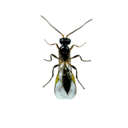
pupae become brownish. Adult wasps leave the pupae via a round hole. Pack size 3,000; 7,500; 15,000 pupae. Presentation Cardboard strips with 5 cards each,
of 250 million in a box. Developmental stage Infective third-stage larvae (L3). Concentration 86% Heterorhabditis bacteriophora – 14% inert biodegradable [...] avoid blockage, all filters should be removed, especially if finer than 0.3 mm (50 mesh) Use a maximum pressure of 20 bar/290 psi (on nozzle) The spray
shield, more clearly visible with increasing size. The eggs are oval, about 0.3 x 0.2 mm in size and pearly white. Best conditions for use of Macrocheles