agricultural and environmental challenges are already out there: in nature itself. At Koppert, we explore, understand, and apply these natural solutions in partnership
About The particular species of chili pepper, Capsicum frutescens, is at times categorized under the species Capsicum annuum . The pepper cultivars of
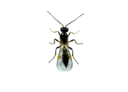
conditions Tripar-C The predatory wasp is most effective at temperatures around 25°C. The lowest temperature at which development can occur is 20°C and the highest
Macrolophus pygmaeus populations in tomatoes in the beginning of the season and at low prey densities. Mode of action As Macrolophus pygmaeus has to build up [...] stage Dead eggs and cysts. Carrier None. Application Entofood Apply Entofood at the locations in the greenhouse where Macrolophus pygmaeus has been introduced
the switch of the Airbug to start releasing the material Walk at constant speed Hold blower at a 90-degree angle to ensure optimal crop coverage Storage
If outdoor temperature is below 18°C it is best to keep the pupae indoors at a temperature of 20-25°C untill the first flies start to hatch. Pupae can [...] for crop specific advice. Environmental conditions Natupol Fly performs best at ambient temperatures between 18-28°C. Storage time after receipt Pupae can
Aspidiotus nerii ) Other scales The parasitic wasp Aphytis melinus is available at Koppert as Aphytis. Aphytis melinus products Aphytis Expand all items How [...] product is received, in case of adverse weather it can be stored for 24-48 hours at 18ºC and in darkness. Best conditions for Aphytis melinus The effectiveness
Primary infection is either seed-borne or takes place as infection of the roots at the root tip or in small wounds, for example where lateral roots branch off
sprinkle material on leaves Make sure the material remains on the leaves for at least a few hours after introduction Can also be applied with Natutec Airobreez [...] situation. Environmental conditions Amblydromalus limonicus is most effective at temperatures between 13 and 25°C (55 and 77°F). A. limonicus is sensitive
The mites appear in and on the soil and at the base of plant stems. The reduction of the infestation level occurs at a slow but steady rate. Pack size 50