combination with Pherodis pheromone dispensers. The dispensers release a species-specific pheromone which lures the male moths to the trap where they get
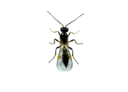
insects, in the same way as they do in the wild. Koppert supplies various species of parasitic wasps, predatory mites, bugs and beetles , gall midges, and
feed on the leaves, stems and reproductive parts of more than 100 plant species causing major damage to cultivated grasses, such as maize, rice, sorghum
actively seek out and prey on the first instar larvae of various thrips species. Feeding behaviour of Neoseiulus cucumeris Predatory mites pierce their [...] overpowered much more easily than second instar larvae, and smaller thrips species more easily than larger ones. Thus, Neoseiulus cucumeris preys almost e
Amblyseius swirskii is a species of predatory mite widely employed for biological pest control in agriculture. The predatory mite is an excellent biocontrol [...] swirskii mites actively seek out and prey on young larvae of various thrips species and whitefly eggs and larvae. By consuming multiple life stages of these
Panonychus ulmi ); citrus red mite ( Panonychus citri ); other spider mite species. Crops Do not use in tomato. Mode of action Predatory mites multiply in
Pests Various species of thrips . Crops Do not use in tomato. Mode of action Adults and nymphs pierce thrips larvae and adults with their sucking mouthparts
family of Gelechiidae . It is oligophagous, feeding mainly on Solanaceae species . The main host is tomato but it also feeds on other solanaceous crop plants
Pests Young larvae of various thrips species and eggs and larvae of whitefly . Crops Do not use in tomato. Mode of action Predatory mites multiply in the