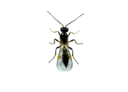
Biological control of leafhoppers Leafhoppers are highly mobile, sap-sucking pests that feed on plant leaves, causing discoloration, stippling and leaf
with pollen. These pollen are not consumed by the flies but stick to their bodies. When a fly visits another flower the pollen are transferred to the pistils
About Cannabis is an annual, dioecious, flowering herb. The leaves are palmately compound or digitate, with serrate leaflets. Cannabis is an annual plant
flowering plant genus Mangifera and the cashew family Anacardiaceae . Mangoes are indigenous to South Asia and from this area the ‘common mango’ or ‘Indian
Eggs are laid in soft leaf tissues or young fruit and can take 6-24 days to hatch depending on temperature. It is the second instar larvae that are responsible
greenhouse) the stem often extends over the ground. Indeterminate tomato types are so-called ‘tender’ or ‘half-hardy’ perennials. The plants die every year in
the field. Release more doses in the areas of the field where the scales are present. Release early in the morning or late in the afternoon. Dosage The [...] particular situation. Start introduction as soon as the first armoured scales are detected in the crop. Introduction rates in outdoor crops typically range
pursuit to help growers biologically control pests in their outdoor crops, we are excited to introduce the newest member to our family: Rhyzobug ( Rhyzobius [...] It’s recommended to start introduction as soon as the first armoured scales are detected. You apply it in the evening and tap the beetles directly onto the
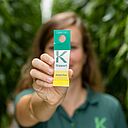
from their sheltered places. When adding Attracker to pesticides, insects are more exposed to the chemical spray and pest control is greatly improved. Pack [...] conditions Attracker Follow the user instructions of the pesticides. There are no special requirements with regards to the use of Attracker. Handling Koppert
White: Lygus spp. Green: Echinothrips americanus Mode of action Insect pests are attracted to the colour of the sticky trap and get caught in the glue. Pr [...] wires or sticks at max. 30 cm above the crop and adjust height when plants are growing Do not place traps in-between the plants as parasitic wasps will then