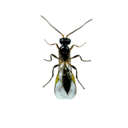
Transeius montdorensis is most effective at temperatures between between 20 and 32°C (68 and 90°F). It is not effective at temperatures below 15°C/59°F
6,000 known species. Most are harmless, some are predators, and fewer than 20 species can cause problems in agriculture and horticulture. Thrips are small
reach the same length as the body, giving an overall combined length of up to 20 mm. The 'females' are actually hermaphrodites with fertilization occurring
detected in the crop. Introduction rates in outdoor crops typically range from 20,000-50,000 per ha/release. Releases should be repeated monthly for 4 to 10
l conditions The parasitic wasp is most effective at temperatures between 20°C and 25°C (68 and 77°F). At a 24 hours average temperature below 17°C/63°F
conditions Amblyseius swirskii is most effective at temperatures between 20 and 32°C (68 and 90°F). It is not effective at temperatures below 18°C/64°F
bucket containing at least 2 litres of water per sachet (water temperature: 15-20°C/59-68°F Stir well and leave the contents to soak for five minutes Stir again [...] removed, especially if finer than 0.3 mm (50 mesh) Use a maximum pressure of 20 bar/290 psi (on nozzle) The spray nozzle opening should be at least 0.5 mm
also directly effective through contact with the pathogen. Pack size 5 L, 20L container and 1000L IBC Formulation Suspencion Concentrate (SC) Concentration
is between 15 and 25°C. At about 20°C with good prey supply, an adult female consumes up to five adult spider mites or 20 young larvae or eggs per day. Because [...] Phytoseiulus persimilis is most effective at temperatures between 13 and 27°C (55 and 81°F) and not effective above 30°C/86°F. Phytoseiulus persimilis
saw-like ovipositor. Development from egg to adult takes about 36 days at 20 ºC and around 23 days at 25 ºC. Larvae are nearly transparent white or yellowish [...] maintain healthier crops: Install protective nets : Use nets with a minimum of 10x20 threads per square centimeter on roof windows and doors to prevent thrips