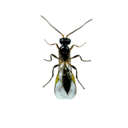
working conditions The predatory wasp is most effective at temperatures around 25°C. The lowest temperature at which development can occur is 20°C, and the
pest mites are detected in the crop. Introduction rates typically range from 25-300 per m2/release. Releases should be repeated if necessary. Consult a Koppert
soon after planting of the crop. Introduction rates typically range from 0.25-4 per m 2 /release. Releases should be repeated a number of times. Consult
piercing mouthparts to extract the contents of their prey. Pack size 12,500; 25,000 predatory mites . Presentation 1,000 ml bottle. Carrier Millet husks,
first pests are detected in the crop. Introduction rates typically range from 25-300 per m 2 /release. Releases should be repeated once or twice, or until
species found in the tropics. In temperate regions they are not larger than 2.5 mm. All thrips species that cause damage in green-houses belong to the family
situation. Environmental conditions Most effective at temperatures around 25°C. No development takes place at temperatures below 13°C and effectivity is
poles, or other supporting structures Place the Rollertrap approximately 25 cm above the crop, except for the 30 cm width which needs to be placed 40
conditions The parasitic wasps are most effective at temperatures around 25°C/77°F. The lowest temperature at which development can occur is 13°C/55°F;
conditions The parasitic wasp is most effective at temperatures between 20°C and 25°C (68 and 77°F). At a 24 hours average temperature below 17°C/63°F the control