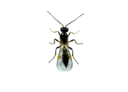
situation. Unlike most other mealy bugs , Pseudococcus longispinus produces no egg sac. Instead, the female bears live young, depositing already hatched first
Comstockaspis perniciosa ). Mode of action The female wasp deposits one or more eggs under the scale cover of armoured scales. Upon hatching the larva proceeds
Young larvae of various thrips species, eggs and larvae of whitefly . Also has an effect on all stages of non-webbing spider mites (e.g. European red mite
Pests Young larvae of various thrips species and eggs and larvae of whitefly . Crops Do not use in tomato. Mode of action Predatory mites reproduce within
Pests Young larvae of various thrips species and eggs and larvae of whitefly . Crops Do not use in tomato. Mode of action Predatory mites pierce their
Pests Larvae of various species of thrips (first and second larval stages); eggs and larvae of greenhouse whitefly ( Trialeurodes vaporariorum ) and tobacco
Pests Eggs, larvae and pupae of sciarid flies ; thrips pupae, Lyprauta larvae. Mode of action The predatory mites feed on larvae of sciarid flies , thrips
by parasitizing larvae and host feeding. Predatory mites and bugs feed on eggs and larvae of whiteflies. Beneficial fungi are very effective for whitefly
on plant sap and grow rapidly. When reproduction is sexual, the aphids lay eggs that overwinter. In greenhouses reproduction also takes place by parthenogenesis
Pests Young larvae of various thrips species, eggs and larvae of whitefly . Also has an effect on all stages of non-webbing spider mites (e.g. European